

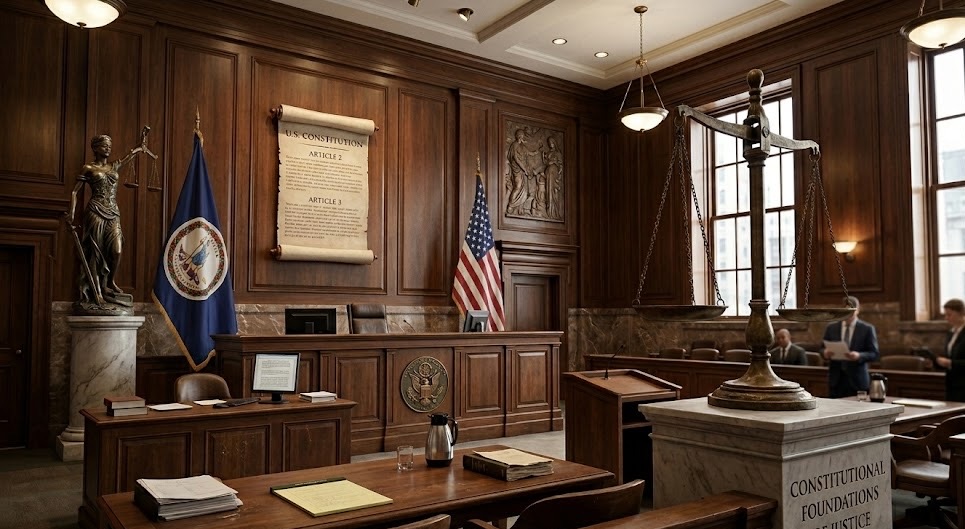
 Civil rights play a critical role in maintaining fairness throughout the criminal justice system. Individuals accused of crimes retain important legal protections from the moment an investigation begins until a case is resolved. These protections help prevent abuse of authority and ensure that government actions remain subject to constitutional limits. Understanding civil rights in criminal proceedings is important for anyone involved in the legal system, whether directly or indirectly. A clear awareness of these rights helps support accountability and confidence in legal outcomes.
Constitutional Foundations
The protections associated with civil rights in criminal proceedings are rooted in the United States Constitution. Several amendments establish safeguards that apply during investigations, arrests, trials, and sentencing. The Fourth Amendment protects against unreasonable searches and seizures, while the Fifth Amendment provides protections against self-incrimination. The Sixth Amendment guarantees rights related to legal representation and a fair trial. Together, these constitutional provisions create a framework designed to balance public safety with individual liberties. Courts regularly interpret and apply these protections to ensure that legal processes remain consistent with constitutional standards.
Rights During Arrest
An arrest represents one of the most significant points at which individual rights come into play. Law enforcement officers must generally follow established legal procedures when detaining a person. Individuals have the right to remain silent and may choose not to answer questions that could be used against them. They also have the right to request legal counsel during questioning. These protections are essential components of civil rights in criminal proceedings because they help prevent coercive practices. Respecting these rights contributes to the integrity of criminal investigations.
Fair Trial Protections
The right to a fair trial is a cornerstone of the American legal system. Defendants are entitled to have their cases heard before an impartial judge or jury. They also have the opportunity to challenge evidence and question witnesses presented by the prosecution. Access to legal counsel allows defendants to understand legal procedures and present an effective defense. Public trials promote transparency and accountability throughout the judicial process. These protections help ensure that decisions are based on evidence and legal standards rather than bias or external pressure.
Equal Treatment Under Law
Civil rights protections also focus on ensuring equal treatment throughout criminal proceedings. The legal system is expected to apply laws consistently regardless of race, ethnicity, religion, gender, or other protected characteristics. Allegations of discrimination can raise serious concerns about the fairness of a criminal case. Courts may review claims that constitutional rights were violated through unequal treatment or improper conduct. Maintaining equal protection under the law strengthens public trust in the justice system. Consistent enforcement of legal standards remains a fundamental objective of criminal justice institutions.
Addressing Rights Violations
When rights violations occur, legal remedies may be available to affected individuals. Courts can exclude improperly obtained evidence in certain situations. Defendants may also challenge unlawful searches, coerced statements, or other violations of constitutional protections. Attorneys play an important role in identifying and raising these issues before the court. Addressing violations helps reinforce the importance of civil rights in criminal proceedings and discourages future misconduct. Effective oversight contributes to a more accountable and reliable justice system.
Protecting Justice and Liberty
Civil rights protections serve as essential safeguards throughout every stage of the criminal justice process. They help ensure that government authority is exercised within constitutional boundaries and that individuals receive fair treatment under the law. By understanding civil rights in criminal proceedings, people can better recognize the legal protections available to them and appreciate the role those protections play in preserving justice. Strong civil rights protections remain fundamental to maintaining public confidence in the legal system.
Disclaimer: This article provides general information and is not intended to be legal advice. Legal situations can vary based on specific facts and jurisdiction. For guidance tailored to your circumstances, contact one of our legal experts at the firm.